How to Choose the Right Dune Buggy for Desert Riding
Know the Terrain Before You Pick a Buggy
Desert riding is different from driving on asphalt or packed dirt. Sand shifts under the wheels, dunes hide steep drops, and heat puts extra strain on the engine and cooling system. The right dune buggy handles these conditions without constant struggle. The wrong one leaves you stuck, overheated, or fighting the steering on every slope.
Start by thinking about the type of sand you will ride on. Soft, deep sand demands a buggy with enough power and flotation to stay on top rather than dig in. Hard-packed desert floor is more forgiving, but it still requires good ground clearance to avoid scraping on rocks or dried mud ridges. A general-purpose buggy that works on both surfaces usually has a lightweight frame and a suspension tuned for moderate travel.
Engine Size and Power Delivery
The engine is the heart of any dune buggy, and in the desert you need one that delivers torque at low to mid revs. High-revving engines can be fun on a track, but in sand they often bog down when you need to climb a steep dune. Look for an engine displacement that matches your weight and riding style. Larger displacement engines produce more low-end torque, which helps the buggy pull through soft sand without constant gear changes.
That said, bigger is not always better. A very powerful engine in a lightweight buggy can be twitchy and hard to control, especially for someone new to desert riding. The key is balance. The engine should have enough grunt to keep the wheels turning at low speed, but not so much that every touch of the throttle sends the rear end sideways. A mid-range engine paired with a smooth throttle response is often the sweet spot for most riders.
Suspension and Ground Clearance
Desert dunes are uneven. One moment you are cresting a ridge, the next you are dropping into a bowl. A buggy with poor suspension will jar your spine and lose traction on bumpy approaches. Look for a setup with adjustable shocks and enough travel to absorb the landings from small jumps and whoops. Independent suspension on all four wheels gives better articulation, keeping the tires in contact with the sand when the ground tilts.

High ground clearance is essential for sand dune climbing. When you approach a dune at an angle, the chassis can bottom out if the clearance is too low. That stops the buggy dead and can damage the undercarriage. A clearance of at least ten inches is a good baseline, but more is better if you plan to tackle large dunes. Just remember that higher clearance raises the center of gravity, so the buggy may feel tippy in sharp turns. The best buggies strike a balance between clearance and a low center of gravity by using a wide track width.
Brake System and Stopping Power
Sand reduces braking efficiency. A brake system that works well on pavement can feel weak on loose sand because the tires slide instead of gripping. Disc brakes on all four wheels are standard on most modern buggies, but the quality of the calipers and rotors matters. Look for a setup with good heat dissipation, because repeated braking on long downhill runs can cause fade.
Some buggies use hydraulic brakes with larger rotors for better stopping force. Others rely on mechanical systems that are simpler to maintain but less powerful. If you are riding in areas with steep dune descents, a hydraulic disc setup with braided lines gives more consistent pedal feel. Always test the brakes before a ride. If the pedal feels spongy or the buggy pulls to one side, get it checked by a mechanic before heading into the dunes.
Steering and Cockpit Comfort
A dubai dune buggy needs precise steering because desert trails are rarely straight. Rack-and-pinion steering offers the best feedback and control. Slower steering ratios make the buggy feel lazy in tight turns, while very quick ratios can be tiring on long rides. Try to find a buggy with a steering wheel that is the right diameter for your reach and grip. A wheel that is too large makes turning slow; one that is too small requires more effort.
Cockpit comfort matters more than many people think. You will spend hours sitting in the buggy, bouncing over bumps and leaning into corners. The seat should hold you firmly without squeezing your shoulders. Adjustable pedals and a tilt steering column let you find a natural driving position. If the buggy has a roll cage, check that you can get in and out easily and that your helmet does not hit the bars when you look around.
Safety Gear and Personal Protection
No buggy is safe without the right gear. Dust goggles are non-negotiable in the desert. Sand particles fly up from the tires of other buggies and from the wind, and even a brief moment of blurred vision can lead to a crash. Look for goggles with anti-fog coating and a snug fit that seals against your face. A helmet with a chin strap is also essential. Full-face helmets offer the best protection, but open-face models are acceptable if you wear goggles and a dust mask.
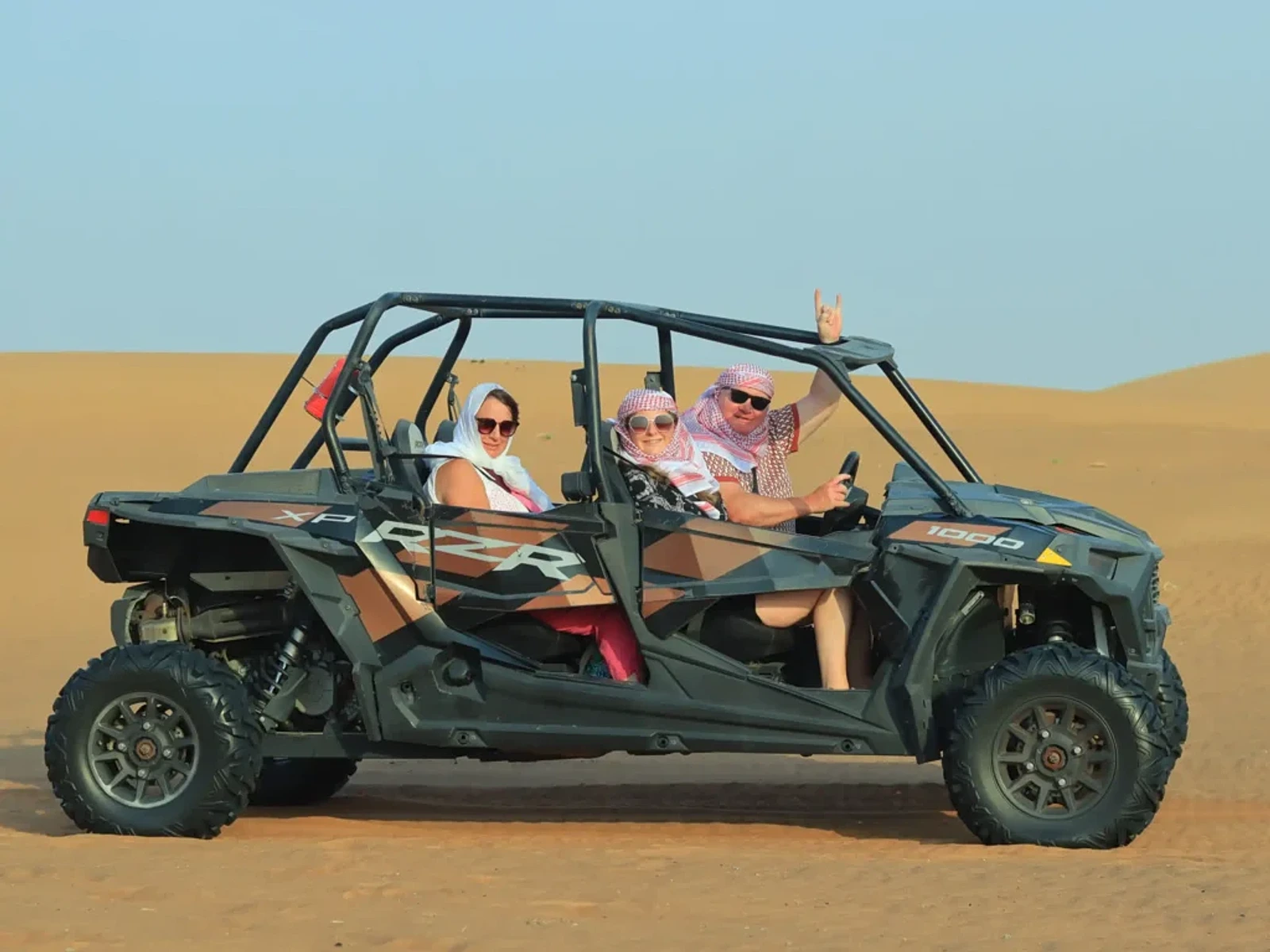
Gloves, long sleeves, and sturdy boots protect your skin from the sun and from contact with hot metal surfaces. The desert heat can make the buggy's frame and exhaust piping dangerously hot, so never ride in shorts or sandals. Carry water and a basic first-aid kit in the buggy. Dehydration sets in faster than you expect when you are focused on driving.
Reading the Dunes and Using a Trail Map
Even the best buggy cannot save you from a bad line choice. Before you head out, study a trail map of the area. Many desert parks and riding areas have marked routes, but the dunes themselves change shape with the wind. A trail map gives you a general layout of ridges, bowls, and exit points. It also shows you where the soft sand patches are likely to be.
When you ride, scan the dune ahead for color changes. Lighter sand usually means softer, deeper conditions. Darker sand is often firmer and more packed. Approach every crest with caution. You never know what is on the other side. A steep drop or a group of riders could be just over the ridge. Keep your speed moderate on the approach and be ready to turn or stop.
Maintenance Checks Before Each Ride
A quick inspection before you start saves trouble later. Check the tire pressure. Sand riding works best with lower pressure, around 10 to 12 psi, because it lets the tire footprint spread and float on the surface. But if the pressure is too low, the tire can spin on the rim or get damaged on sharp rocks. Find the pressure that works for the specific sand you are riding on.
Look at the air filter. Desert dust clogs filters fast, and a clogged filter chokes the engine. If the filter looks dirty, clean it or replace it. Check the coolant level and the oil. Overheating is a common problem in desert buggies, especially if the radiator fins are packed with sand. A quick blast of compressed air can clear the fins and restore cooling efficiency. Tighten any loose bolts on the suspension and steering components. Vibrations from rough terrain can work fasteners loose over time.
When you are out on the trail, listen to the engine and the drivetrain. Unusual noises often warn of a problem before it becomes a breakdown. If you hear a clunk from the rear axle or a whine from the transmission, head back to base and investigate. Pushing a broken buggy through soft sand is exhausting and dangerous in the heat.
Match the Buggy to Your Experience Level
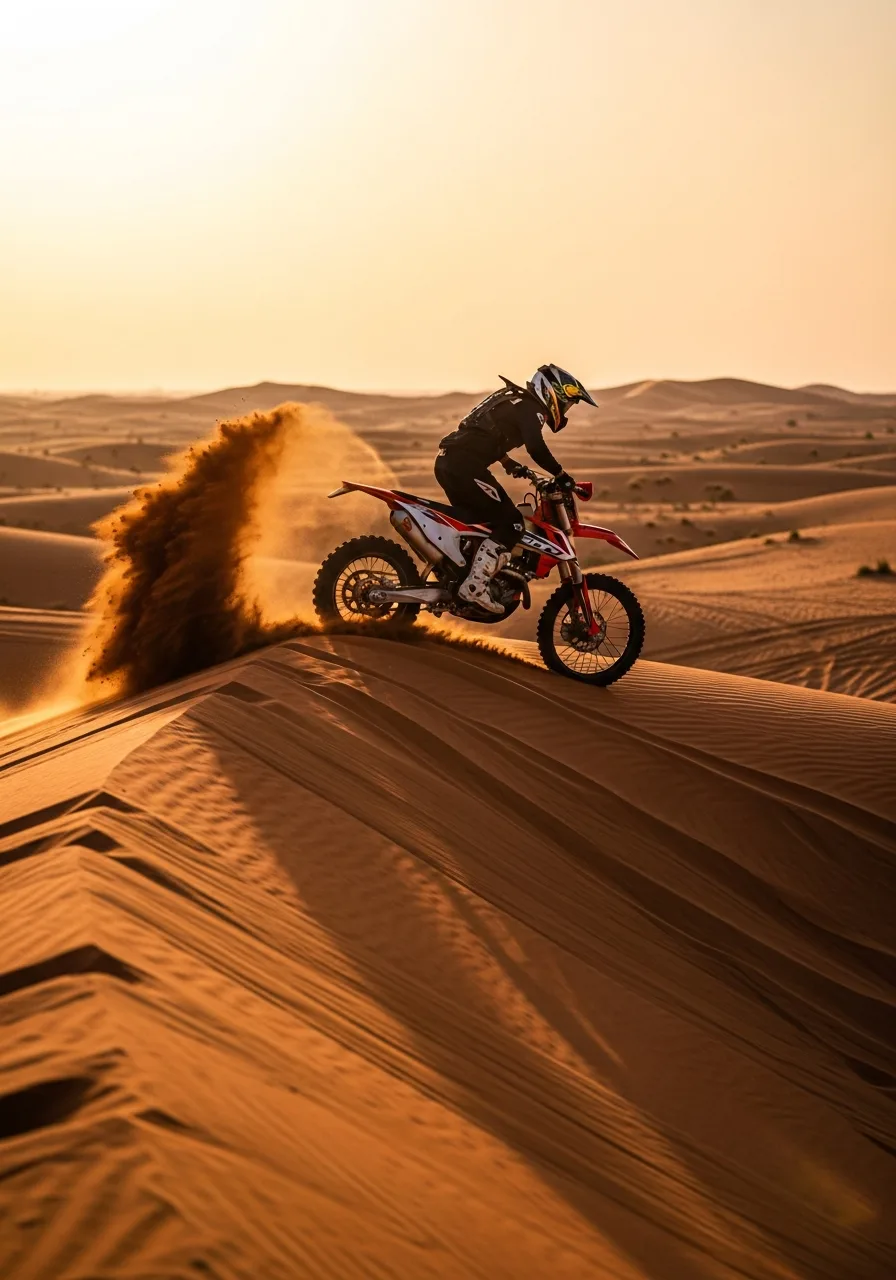
Beginners should choose a buggy that is forgiving. A model with automatic transmission and moderate power lets you focus on learning the terrain instead of managing the controls. Experienced riders may prefer a manual gearbox and a more powerful engine for aggressive dune climbing. But even experienced riders benefit from a buggy that is predictable and well-sorted.
Renting a dubai dune buggy for a day or two is a smart way to test different setups before committing to a purchase or a long rental. You can feel how different engines, suspensions, and steering ratios behave on real dunes. Pay attention to how the buggy handles when you crest a dune at an angle or when you accelerate out of a soft patch. Those moments tell you more than any spec sheet.
Desert riding is a skill that grows with practice. The right buggy makes the learning curve smoother and the experience more enjoyable. Take your time, ask questions, and choose a machine that fits the dunes you plan to ride.